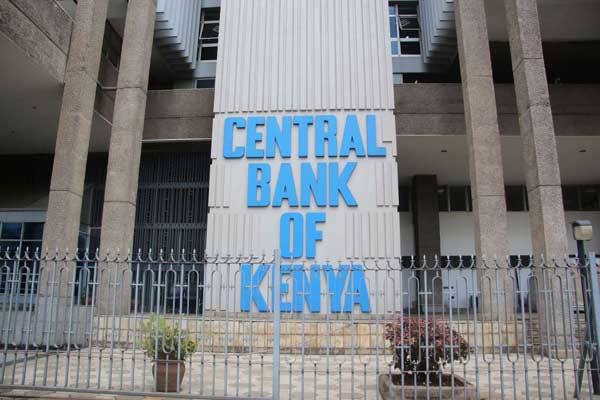
Kenya on Thursday, December 4, 2025, unveiled the National Financial Inclusion Strategy (NFIS), 2025-2028, the Fourth Medium Term Plan for the Financial Services Sector, and the Women Entrepreneurs Finance Code, marking a major step toward a more equitable, innovative and data-driven financial ecosystem.
The Central Bank of Kenya said the frameworks will deepen access, strengthen consumer protection and expand financing for women-led enterprises nationwide.
The NFIS 2025-2028 is designed to close persistent gaps in access, usage and quality of financial services by expanding affordable products across payment, credit, insurance, pension, savings and investment segments.
According to the CBK, the strategy “seeks to enhance equitable access to, and usage of, quality and affordable financial products and services delivered in a sustainable way to match customer needs.”
The development process, the Bank notes, was informed by extensive consultations involving local and international stakeholders as well as public participation.
The NFIS provides a platform for close collaboration, coordination, and cooperation among stakeholders, seeks to minimise duplication of efforts and ensures efficient use of resources.
The Strategy is anchored on six pillars covering deepening penetration of financial services, enhancing usage of quality products, strengthening consumer protection and financial literacy, development of inclusive green finance, promotion of rural agriculture finance, and expanding access for women, youth, MSMEs, persons with disabilities and forcibly displaced persons.
Implementation will be coordinated through the National Financial Inclusion Council, chaired by the Principal Secretary at the National Treasury, supported by a CBK-led Technical Coordination Committee and thematic working groups.
Alongside the NFIS, the government launched the MTP IV FSS (2023-2027), which outlines reform programmes and projects intended to position Kenya as a global and regional financial hub.
The plan recognises the financial sector’s role in advancing Vision 2030 and aims to boost the sector’s GDP contribution.
According to the statement, the plan seeks to deepen access to formal finance by underserved groups across the country, including Micro, Small and Medium Enterprises (MSMEs), women, youth and persons with disability (PWDs).
It also responds to emerging issues such as climate change and the evolving digital economy, including virtual assets and virtual asset service providers.
The MTP IV FSS will focus on expanding financial access, enhancing sector stability and integrity, increasing savings and investment, and strengthening consumer protection and financial literacy.
Achieving these goals will require policy, legal and regulatory reforms, including updates to the Insurance Policy, National Credit Information Sharing Policy, Macroprudential Policy, Unclaimed Financial Assets Policy and Disaster Risk Financing Strategy, as well as new institutional arrangements such as the Kenya Credit Guarantee Company.
A major highlight of the event was the signing of the Women Entrepreneurs (WE) Finance Code, described as a milestone in Kenya’s effort to close the financing gap for women-led enterprises.
The initiative, led nationally by CBK Deputy Governor Susan Koech, is a multi-institutional commitment to improve access to capital for women entrepreneurs through enhanced data collection, targeted financial products and new financing models.
According to the CBK, the Code provides a platform for financial sector leaders at all levels to prompt action inside and outside their organisations to support and close financing gaps for women entrepreneurs.
More than 40 institutions have already signed up, committing to its objectives. The Code will help systematise the collection, analysis and use of supply-side data and catalyse new financial and non-financial mechanisms to meet the needs of women-led MSMEs.
The CBK says the combined launches will leverage technology, data and synergy among stakeholders to build a more inclusive, stable and sustainable financial sector.
The Bank affirmed its commitment to play a pivotal role in ensuring the successful implementation of all three frameworks.